
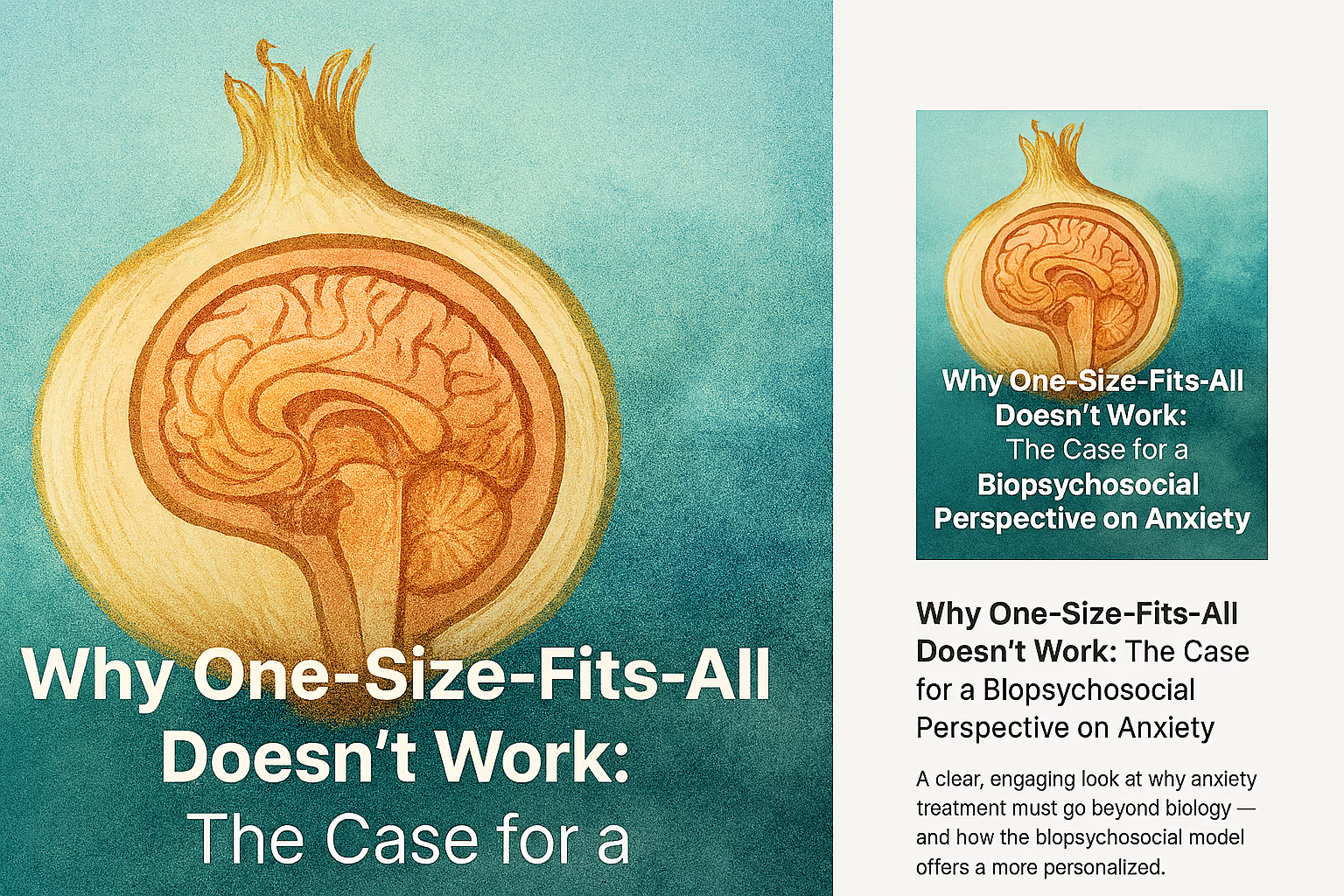
Why One-Size-Fits-All Doesn’t Work: The Case for a Biopsychosocial Perspective on Anxiety

Unpacking the Complexities of Anxiety
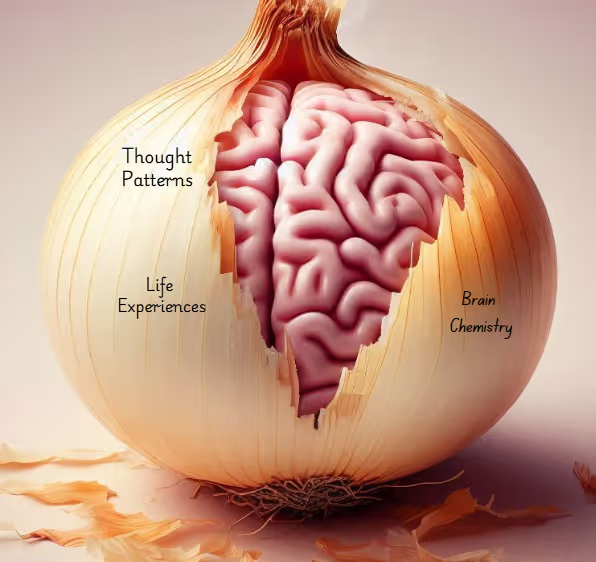
Most people would describe anxiety as feeling nervous, overwhelmed, or worried—sometimes for no clear reason. But anxiety is more than just feeling stressed; it’s a complex experience with many layers, kind of like an onion. What causes anxiety? Why do some people struggle with it more than others? The answers aren’t simple, and that’s part of the problem with how anxiety is often treated.
For many years, anxiety was viewed primarily through a biomedical lens—framed as something happening in the brain that could be addressed mainly through medication or other biological treatments. While this approach can be helpful for some, it doesn’t capture the full picture. Anxiety isn’t only about brain chemistry; it’s also shaped by life experiences, learned patterns, relationships, and the environments we move through.
Where the Biomedical Model Is Helpful

The biomedical model has contributed important benefits to our understanding of anxiety. It has helped validate the reality of mental‑health struggles and reduced the stigma that once framed these experiences as personal weaknesses. For some individuals, biologically based treatments such as medication can offer meaningful relief, especially when other approaches haven’t been effective. The model also provides a clear, science‑informed framework for understanding mental‑health conditions, which many people find grounding when they’re trying to make sense of their experiences
Where the Biomedical Model Falls Short

The biomedical model can be helpful, but it also tends to oversimplify anxiety by focusing primarily on biological explanations. Several limitations have been noted in the research. Although this model is often credited with reducing stigma by framing mental‑health concerns as medical issues rather than personal failings, studies suggest that this effect may not hold over time. In some cases, emphasizing biology alone can contribute to a sense of hopelessness if people begin to view their experiences as fixed or unchangeable. The model also narrows attention to biological factors while giving less consideration to psychological and social influences such as trauma, chronic stress, systemic barriers, or rigid thought patterns. Because anxiety presents differently across individuals, broad diagnostic categories may not always capture the full range of lived experiences. Despite significant investment in biological research and medication development, population‑level outcomes related to anxiety have not consistently improved. Additionally, access to treatment is often shaped by policy decisions and marketing practices, which can influence how the public understands mental health and what options are most readily available.
While the biomedical model remains an important part of mental‑health care, it does not fully reflect the complexity of anxiety as an experience shaped by the mind, body, and environment. This is why many clinicians and researchers highlight the value of a biopsychosocial perspective—one that considers how thoughts, emotions, relationships, and life circumstances interact to influence well‑being and support a more individualized understanding of anxiety.
What Is the Biopsychosocial Model?
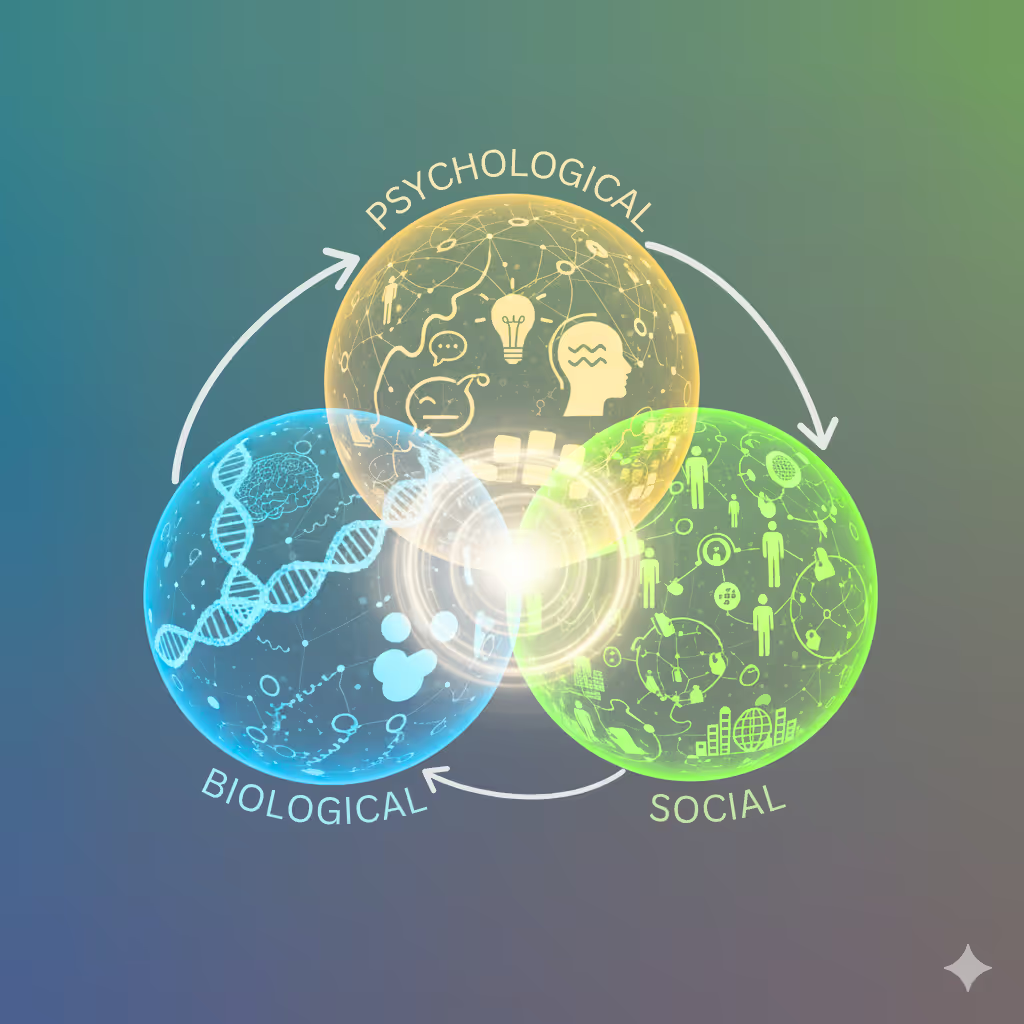
The biopsychosocial model addresses anxiety
in three different ways:
Biological Factors

Biological influences can play a role in how anxiety is experienced. Research suggests that certain patterns in the brain may contribute to heightened sensitivity to stress or perceived threat. For example, some studies have found that individuals diagnosed with Generalized Anxiety Disorder (GAD) often show increased activity in the amygdala—the region involved in processing fear and emotional intensity (Martin et al., 2009). This heightened reactivity may make everyday situations feel more charged or overwhelming. At the same time, areas of the brain involved in regulating fear responses, such as the prefrontal cortex, may not always provide the same level of calming influence, which can contribute to persistent worry.
Studies suggest that neurotransmitters—chemical messengers that help different parts of the brain communicate— seem to also appear to be involved. Lower levels of GABA, a neurotransmitter associated with calming the nervous system, have been linked in some research to increased emotional reactivity. The HPA axis, which helps regulate the body’s stress response, can also become dysregulated, leading to elevated cortisol levels that may intensify feelings of anxiety.
Genetics are another piece of the puzzle. Anxiety tends to cluster in families, suggesting that inherited traits and environmental experiences interact in complex ways. For instance, someone who experiences anxiety in adulthood may have grown up in a family where anxiety was present but not openly discussed due to cultural or generational norms. Their nervous system may have been more sensitive from birth, and the caregiving environment they grew up in may have shaped how they learned to interpret and respond to stress. These biological and relational factors together can increase vulnerability to developing an anxiety disorder, though they never determine a person’s future on their own.
Psychological Factors

Anxiety isn’t only about worry—it’s also shaped by the ways we interpret our experiences, relate to others, and understand ourselves. Several psychological factors have been linked in research to increased vulnerability to anxiety, and they can show up in everyday life in different ways.
One factor often discussed is rumination, or the tendency to repeatedly think about potential threats or replay past events. This pattern of overthinking can keep the nervous system activated and make it harder to shift attention to the present (Kinderman et al., 2015).
Relationships can also influence how anxiety is experienced. Feeling unsupported, disconnected, or threatened within important relationships—whether with partners, friends, or coworkers—may heighten stress and emotional strain. Some studies suggest that women, who often carry more emotional labour in their social networks, may be particularly affected when these connections feel strained or imbalanced. Caregiving roles, which many women take on within families and communities, can also contribute to emotional fatigue. Loneliness, regardless of gender, is another factor that can intensify anxious feelings when people feel isolated or disconnected.
Life satisfaction and self‑perception matter as well. Research has found associations between lower life satisfaction, challenges with self‑image, and increased vulnerability to anxiety‑related concerns (Flensborg‑Madsen et al., 2012). When people feel disconnected from meaning or struggle with how they see themselves, stress can feel harder to manage.
Certain personality traits may also play a role. Higher levels of temperamental frustration can make stressful situations feel more overwhelming. Shyness or social inhibition may contribute to social anxiety over time, especially in environments that feel evaluative or unpredictable. Difficulties with attentional control—such as challenges with focusing or regulating emotional responses—have also been linked to heightened anxiety in stressful contexts (Narmandakh et al., 2021).
Understanding these psychological influences highlights that anxiety is not “just in our heads.” It reflects a complex interaction between our inner experiences, our relationships, and the environments we move through.
Social Factors

Anxiety isn’t only an individual experience—it’s also shaped by the social environments we live in and the expectations placed on us. Research has found that gender can influence how anxiety is expressed and understood. Some studies suggest that women are diagnosed with anxiety disorders at higher rates than men, which may relate in part to cultural norms around emotional expression. In many contexts, women are encouraged to talk about their feelings, while men may feel pressure to appear self‑reliant or emotionally contained. These patterns can influence how people make sense of their own distress and how likely they are to seek support (Narmandakh et al., 2021).
Socioeconomic status (SES) is another factor associated with anxiety. Individuals from lower‑SES backgrounds may face chronic stressors such as financial strain, limited access to resources, or fewer opportunities for stability and growth. These pressures can contribute to increased vulnerability to anxiety, particularly among girls in some studies (Narmandakh et al., 2021). Access to consistent nutrition, restorative sleep, and safe housing also plays a role in supporting healthy brain development and stress regulation.
Family mental health can influence anxiety as well. When parents experience depression or anxiety, they may have less emotional capacity to provide consistent support, which can shape how children learn to cope with stress. Growing up in an environment where caregivers struggle with their own mental health can make it harder to form secure relationships, potentially increasing feelings of worry or isolation later in life (Narmandakh et al., 2021).
Experiences of childhood adversity—such as parental loss, divorce, or abuse—have also been linked to higher risk for anxiety. Early stress can affect how the nervous system responds to threat and may lead to coping strategies that feel protective in childhood but become less sustainable in adulthood.
Why the Biopsychosocial Model is a Great Approach for Anxiety

When exploring how anxiety develops and how it can be supported, the biopsychosocial (BPS) model offers a broader and more integrative perspective than a strictly biomedical approach. Biomedical research has contributed valuable insights into brain chemistry, genetics, and neurobiology, and advances such as neuroimaging have deepened our understanding of how anxiety may operate in the brain. At the same time, there is currently no single “anxiety gene” or definitive biomarker that can fully explain or predict anxiety, and population‑level outcomes have not shifted dramatically despite these scientific developments (Tripathi et al., 2019).
The BPS model expands the lens by considering the whole person. It recognizes that anxiety is influenced not only by biological factors but also by thoughts, emotions, relationships, and life circumstances. This framework highlights how an individual’s genetic makeup, psychological patterns, and social environment interact in complex ways to shape their experience of anxiety. Stressors, relational dynamics, and past experiences all contribute to how someone interprets and responds to challenges.
Emerging research in epigenetics adds another layer, suggesting that environmental experiences can influence how genes are expressed. This means that anxiety is not solely determined by biology; life events, caregiving environments, and social contexts also play meaningful roles.
Because the BPS model accounts for these multiple influences, it supports a more individualized understanding of anxiety. People differ in their histories, strengths, and stressors, so their pathways to well‑being may differ as well. Within this framework, support may involve a combination of approaches—such as psychotherapy, medication, lifestyle practices, or social connection—depending on a person’s needs and preferences.
By integrating biological, psychological, and social perspectives, the BPS model aims to support both short‑term relief and long‑term resilience, helping individuals understand their experiences in a more comprehensive and empowering way.
A Holistic Approach to Anxiety: How the Biopsychosocial Model Shapes Treatment
Anxiety affects the body, mind, and our relationships, which is why the biopsychosocial (BPS) model offers such a helpful way of understanding it. This framework recognizes that biological, psychological, and social influences all interact, and that support is often most effective when it reflects this complexity
So, what does that look like in practice? Let’s break it down.
Psychological Approaches:

Psychotherapy is one of the most widely used ways to support individuals experiencing anxiety. Several approaches have been well studied. Cognitive Behavioural Therapy (CBT), for example, explores the relationship between thoughts, emotions, and behaviours and has been shown to help many people shift unhelpful thinking patterns (Hofmann et al., 2012). Exposure‑based approaches gradually introduce feared situations in a structured way, helping individuals build confidence and reduce avoidance (American Psychological Association, 2017). Eye Movement Desensitization and Reprocessing (EMDR) is another modality used to address trauma‑related symptoms by helping individuals process distressing memories in a more regulated way.
Biological and Medical Supports:
Some individuals may find that medication, prescribed by a physician or psychiatrist, plays a helpful role in managing anxiety. Decisions about medication are made collaboratively with medical professionals based on a person’s unique needs and circumstances.
Lifestyle and Integrative Interventions

Lifestyle factors can also influence how anxiety is experienced. Regular physical activity has been associated with improved mood and stress regulation. Mindfulness‑based practices, such as Mindfulness‑Based Stress Reduction (MBSR), can support emotional awareness and grounding. Yoga, breathwork, and other mind‑body approaches may help regulate physiological arousal. Nutrition and sleep—both foundational to nervous‑system health—also contribute to emotional resilience.
Social and Environmental Supports
Because anxiety is shaped by relationships and environment, social interventions can be meaningful. Family therapy and group‑based supports can strengthen connection and reduce isolation. Spending time in natural environments has been linked to lower stress levels and improved nervous‑system regulation, making nature‑based activities a supportive complement to other approaches.
Integrated and Collaborative Care
Integrated and collaborative care is an important part of a biopsychosocial approach. When mental‑health professionals, medical providers, and community supports communicate and coordinate, individuals often benefit from a more personalized and multidimensional understanding of their needs. This kind of collaboration can help ensure that biological, psychological, and social factors are all considered in a way that reflects the complexity of anxiety.
By drawing on a range of therapeutic, medical, lifestyle, and social supports, the BPS model offers a comprehensive framework for understanding anxiety and the many influences that shape it. This perspective emphasizes that well‑being is supported through multiple pathways rather than a single intervention, and that care is most effective when it reflects the whole person and their unique context
Conclusion
Anxiety is shaped by many influences, which is why a single approach rarely captures the full picture. The biopsychosocial (BPS) model offers a more holistic way of understanding anxiety by considering biological, psychological, and social factors together. Within this framework, a variety of supports may be helpful depending on a person’s needs—such as cognitive‑behavioural approaches, exposure‑based therapies, acceptance‑oriented models, or medically prescribed treatments like SSRIs or SNRIs. Lifestyle practices, including regular movement, restorative sleep, and meaningful social connection, can also contribute to emotional resilience.
This perspective emphasizes that anxiety is not only about what happens in the brain; it also reflects how people think, relate, and move through their daily environments. By acknowledging the whole person rather than focusing solely on symptoms, the BPS model encourages a more individualized and comprehensive understanding of anxiety and the many pathways that can support well‑being.
If the biopsychosocial perspective resonates with you, it may be helpful to take a moment to notice which biological, psychological, or social factors feel most relevant in your own life right now. Understanding these layers can open up new ways of making sense of anxiety with more clarity and compassion. If you’re curious about exploring these ideas further or would like support in understanding how they show up in your day‑to‑day experience, you’re welcome to reach out and connect with our team. You can book a time to talk here.
While understanding these factors can be helpful, anxiety is a complex experience that should be assessed by a qualified mental health professional to ensure an accurate clinical picture.
This post offers general information for educational purposes. It is not therapy, does not replace individualized mental‑health care, and does not establish a therapeutic relationship. If you’re experiencing distress or need support, please connect with a qualified mental‑health professional in your area. If you are in immediate distress or at risk of harm, in Canada you can call or text 9‑8‑8 (Suicide Crisis Helpline) or call 9‑1‑1, and internationally you can visit FindAHelpline.com to locate free, confidential support services available in your specific country and language.
Written by a student contributor and reviewed by a Registered Psychotherapist.
References
- Engel, G. L. (1977). The need for a new medical model: A challenge for biomedicine. Science, 196(4286), 129–136. https://doi.org/10.1126/science.847460
- Foundational article introducing the biopsychosocial model.
- American Psychiatric Association. (2013). Diagnostic and statistical manual of mental disorders (5th ed.). Arlington, VA: American Psychiatric Publishing.
- Source for diagnostic criteria and biomedical framing of anxiety.
- Hofmann, S. G., Asnaani, A., Vonk, I. J., Sawyer, A. T., & Fang, A. (2012). The efficacy of cognitive behavioral therapy: A review of meta-analyses. Cognitive Therapy and Research, 36(5), 427–440. https://doi.org/10.1007/s10608-012-9476-1
- Evidence for CBT as a psychological intervention.
- Shapiro, F. (2018). Eye Movement Desensitization and Reprocessing (EMDR) therapy: Basic principles, protocols, and procedures (3rd ed.). New York: Guilford Press.
- Source for EMDR as a trauma-informed treatment.
- National Institute for Health and Care Excellence (NICE). (2020). Generalised anxiety disorder and panic disorder in adults: Management. https://www.nice.org.uk/guidance/cg113
- Guidelines for pharmacological and psychological treatment of anxiety.
- World Health Organization. (2022). Mental health and COVID-19: Early evidence of the pandemic’s impact. https://www.who.int/publications/i/item/9789240061321
- Context for increased anxiety and social factors post-pandemic.
- Padesky, C. A., & Mooney, K. A. (2012). Strengths-based cognitive-behavioral therapy: A four-step model to build resilience. Clinical Psychology & Psychotherapy, 19(4), 283–290. https://doi.org/10.1002/cpp.1795
- Strengths-based CBT approach mentioned in the conclusion.
- Jo, H., Song, C., & Miyazaki, Y. (2019). Physiological Benefits of Viewing Nature: A Systematic Review of Indoor Experiments. International journal of environmental research and public health, 16(23), 4739. https://doi.org/10.3390/ijerph16234739