

So, You've Been Asked to Write a Letter

This post is for general educational purposes only. It is not legal advice, professional advice, or a step‑by‑step guide for writing letters. These reflections come from my own clinical experience and supervision work, and they highlight the considerations I’ve personally found helpful when navigating client requests for documentation. I’m not the ultimate authority—legally or otherwise—and other therapists may have different perspectives or additional angles worth considering. That diversity of thought strengthens our community, especially when we stay aligned with our regulatory and ethical frameworks.
Always consult your regulatory college, legal counsel, or (if applicable) your supervisor for guidance on your specific situation. You are responsible for the clinical decisions you make, so proceed thoughtfully and with due diligence. I’ve included links to the CRPO’s primary sources that I’m aware of, but I encourage you to read them directly and ensure you’re working from the most current information.
It happens sooner or later: a client leans in and says, “Could you write me a letter?” Suddenly, you’re not just a therapist — you’re a potential author of documents that might end up in HR offices, courtrooms, or housing applications. No pressure, right?
Let’s break down what you, as a Registered Psychotherapist (RP), need to consider before putting pen to paper (or fingers to keyboard).
Why Clients Ask for Letters
Clients request letters for all sorts of reasons. Sometimes it’s about securing an emotional support animal, other times it’s about returning to work after a leave, or proving eligibility for insurance coverage. You may also be asked to advocate in school settings or even in custody disputes.
In short, your words can open doors — or at least, clients believe they can. To them, your signature is the golden ticket to academia, housing, and HR miracles. But before you start, it’s important to pause and reflect on what’s actually within your professional role.
CRPO’s Core Considerations
The College of Registered Psychotherapists of Ontario (CRPO) has clear expectations about how RPs handle documentation. First, stay within your scope of practice: you can describe emotional or cognitive disturbances, but you cannot diagnose medical conditions. Second, letters must be accurate and professional — stick to facts, observations, and client‑reported experiences rather than speculation and ensure items listed in your letter are documented as such.
Consent is non‑negotiable. Always ensure the client understands what information will be shared and agrees to it. Boundaries matter too: avoid advocacy that exceeds your expertise, especially in contentious areas like custody disputes. And finally, document everything. Record the request, your rationale, and keep a copy of the letter in the client’s file as a non-session note.
According to the CRPO, letters must be:
- Within scope of practice: You can describe emotional or cognitive disturbances, but you cannot diagnose medical conditions.
- Consider your competence: CRPO expects registrants to continually assess their knowledge, skill, and judgment. Before writing a letter, ensure you are equipped to provide such documentation based on your clinical role and relationship with the client.
- Accurate and professional: Stick to facts, observations, and client‑reported experiences. Be sure you know the difference between a fact, your opinion, and the client’s opinion
- Consent‑based: Always obtain informed consent before releasing information (unless absolutely court mandated, which is not the same as lawyer requested. Consult with a lawyer if you are unsure of the difference.
- Boundaried: Avoid advocacy that exceeds your expertise (e.g., custody recommendations).
- Documented: Record the request, your rationale, and a copy of the letter in the client’s file.
Think of it as four pillars of letter‑writing groundedness: fact, consent, scope, and documentation.
Familiarize yourself with the CRPO’s standards of practice and ethical considerations for letter writing. Important writings the CRPO has released about letter writing include:
- 📄 Practice Matters: “Can I write a letter for my client?”
👉 CRPO – Can I write a letter for my client? - 📄 Standard 5.2: Requests for Reports (Practice Standards)
👉 CRPO – Requests for Reports - 📄 Practice Matters: Writing Reports under Standard 5.2
👉 CRPO – Standard 5.2: Requests for Reports – Writing Reports - 📄 Standard 1.4: Controlled Acts (Professional Conduct)
👉 CRPO – Controlled Acts
Questions to Ask Yourself
Before you draft anything, pause and ask yourself a few key questions. Am I qualified to comment on this request, or is it outside my scope? Is the information factual, or am I being asked to speculate? Could this letter end up in a legal proceeding where my words will be scrutinized? Do I need supervision or legal consultation before proceeding? And how will I document this in the client’s record?
If any of these questions make you uneasy, that’s your cue to slow down and seek guidance. Letters are deceptively powerful, and a moment of reflection can save you from unintended consequences.
Tone & Style Tips
When you do write, keep the tone clear and professional. Use plain language so non‑clinicians can understand. Maintain a neutral stance — “I have observed…” is safer than “I guarantee…” Professional formatting matters too: include the date, your credentials, and contact information.
Speaking of clarity -- my personal preference is to include a line in the letter clarifying your scope of practice for the reader. Consider adding something along the lines of “RPs are permitted to assess cognitive, emotional and behavioural disturbances in the course of their work. However, providing formal diagnoses or opinions outside our scope is not appropriate"
And while warmth is welcome, avoid over‑promising. Compassion is fine; speculation is not. A letter should support your client without stretching beyond what you can responsibly say.
Common Pitfalls
There are a few traps that new therapists often fall into. Writing beyond your scope — such as offering medical diagnoses — is a big one. Over‑advocating in contentious situations, like custody disputes, can also backfire. Forgetting to document the request or the letter itself is another common mistake. And finally, vague or overly emotional language can undermine your credibility.
One of the most common challenges when writing letters is the temptation to go further than our role allows. In an effort to support clients, therapists may feel pressure to make definitive statements about disability, legal matters, or what a school, employer, or institution should decide. This can unintentionally move the clinician from the role of treating therapist into that of an evaluator. In most situations, a therapist’s role is to describe clinical observations and client-reported experiences rather than determine legal, medical, or institutional outcomes. Statements about eligibility for benefits, legal decisions, or predicted future functioning may fall outside the role of a treating clinician unless a formal assessment has been conducted.
Avoiding these pitfalls isn’t about being cold or detached; it’s about safe guarding both yourself and your client by staying grounded in professional standards.
Certain Types of Letters Carry Greater Risk
While many support letters (such as those for academic or workplace accommodations) are relatively routine, some types of requests carry a higher risk of professional or regulatory complications. Complaints to regulators often arise when therapists are asked to provide opinions in contexts that involve legal determinations, financial eligibility, or disputed family matters. In these situations, the expectations placed on the letter may exceed the role of a treating clinician. Being aware of these higher-risk scenarios can help therapists pause, clarify their role, and determine whether writing a letter is appropriate or whether another type of assessment may be required.
Disability or Benefits Determination Letters
Requests related to disability benefits, insurance claims, or income supports can be complex. Institutions may be seeking a determination about functional capacity, prognosis, or eligibility for financial benefits. When writing these letters, therapists should take care to describe clinical observations, symptoms, and client-reported challenges rather than making definitive statements about eligibility or long-term work capacity. In some cases, a formal functional or medical assessment conducted by an appropriate professional may be more appropriate than a letter from a treating therapist.
Legal or Family Court Letters
Requests related to custody disputes, family court matters, or other legal proceedings carry particular risk. Courts and lawyers may expect evaluative opinions about parenting capacity, credibility, or what arrangements are in the best interests of a child. These types of determinations typically fall within the role of a trained forensic evaluator rather than a treating therapist. Providing opinions beyond one’s clinical observations can blur professional boundaries and create ethical complications.
Informed Consent: Proceeding with Care
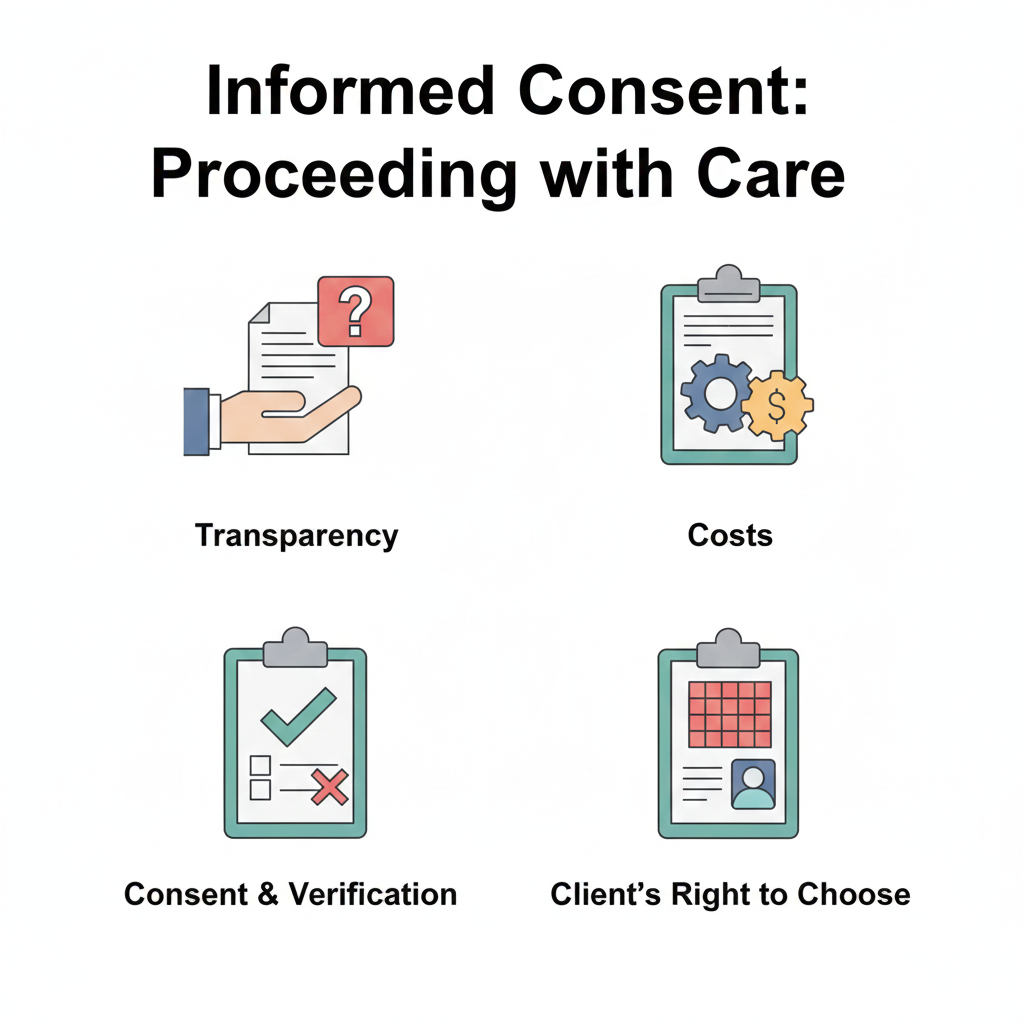
When it comes to letter writing, informed consent isn’t just a box to tick — it’s the foundation of ethical practice. Before agreeing to draft anything, be upfront with clients about the practicalities. If your clinic charges administrative fees for preparing letters, forms, or documentation, disclose this clearly in advance. Beware to ensure that it is clear that the fee charged is solely for the time spent writing the letter and clients are not left with the impression that fees paid will curry the content of the letter. Transparency around costs helps avoid misunderstandings and reinforces professional boundaries.
It’s also essential to clarify whether the intended recipient will even accept a letter from a Registered Psychotherapist. Some institutions or organizations may require documentation from a physician, psychiatrist, or another professional. Encourage clients to verify this before you invest time in drafting a letter that may not meet the requester’s requirements. This step protects both you and the client from disappointment or unnecessary expense.
Once you’ve agreed to proceed, review the draft with the client before submission. Some clinicians review the draft with clients to ensure factual accuracy and confirm consent before releasing the letter. This ensures they are comfortable with both the tone and the content.
Another practice to consider is to have a consent form on file specifically for letter writing. At Vistas Psychotherapy and Wellness, for example, our policy outlines administrative fees, the limitations of letters from psychotherapists, and the scope of practice. Clients sign off on this before we move forward, ensuring they understand what the letter can and cannot accomplish. This conversation also includes a frank discussion of potential outcomes: if a letter is submitted to insurance or court, it could trigger a request to review the entire clinical file. Clients need to consider whether they are comfortable with that possibility.
Requests often come from third parties — lawyers, schools, or employers — but even if a signed request form is provided to you by that third party, don’t engage without reviewing the matter directly with the client. Remember, consent is dynamic. A client may authorize information release on Monday and withdraw that consent by Tuesday. Always secure your own signed consent form before proceeding, and respect the client’s right to change their mind at any point.
Finally, consider potential harms. Even well‑intentioned letters can have unintended consequences. A letter meant to support a client’s case could expose sensitive details, invite scrutiny of their entire file, or shift the therapeutic relationship. By approaching letter writing with an abundance of caution — clarifying fees, verifying acceptability, reviewing content before releasing the letter, and documenting consent — you mitigate risks and uphold the integrity of your practice.
Closing Reflection
Letter writing is part of your professional identity formation. It’s about balancing compassion with clarity, advocacy with boundaries. Remember: you’re not Willy Wonka handing out golden tickets. You’re a regulated professional, and your words carry weight — sometimes more than you realize.
When unsure whether a letter is appropriate, consultation with a supervisor, colleague, or regulatory guidance may be helpful.
So the next time a client asks for a letter, take a breath, check your scope, and write with integrity. Your clients (and future self) will thank you!
Need more support? I am always happy to consult or offer more supervision. Reach out today to book a consult! If this style resonates with you, our clinical supervision in Toronto may be a supportive next step.
Amanda Carver, M.Ed., RYT-200 and EMDRIA certified practitionera Registered Psychotherapist (RP) practicing in Ontario, with experience supporting early-career clinicians in supervision and consultation.