

Never Too Late
A few times I’ve been present when someone realized the nature and extent of how they were hurt in early life. It’s an honour to be so trusted, to be allowed to witness such a moment fully; playing a supportive role in the dialogue that got them there adds a layer of responsibility, or at least of complexity. If they expressed overwhelm and despair – I’m so completely fucked up I’ll never untangle it all – at what feels to them like a life sentence, I’ve wanted badly and immediately to convince them that Now is always, always a viable starting point. That it’s never too late.
Therapists’ days include a reliable number of these sorts of encounters, moments for rallying hope and encouragement. Do all of us really believe that it’s never too late to start healing? That it’s never too late to start anything? Never? What would you say to someone in their 50s who desperately wants to be on Team Canada for gymnastics in the next Olympics? Here’s a quick and true story to help with thinking this through:
I’d been a post-secondary prof for many years, arguably too many, as these days I was performing more and more curricular contortions and contract revisions to basically sidestep the teaching aspects of my job and focus on the counselling aspects. There had been this quiet, vague longing to shift careers for some time before I gave voice to it, but I was in my late forties and… well, it just seemed too big; I’d need another graduate degree, for one.
So one day I’m at the front of a classroom giving a lecture about boundless educational possibilities, in the course of which I let slip that actually, I myself want to go back to school but – (the irony is not lost on anyone that this is antithetical to my entire message) – by the time I graduated I’d be 50. A hand goes up: “Miss, you’re going to be 50 anyways.” Like a cartoon meme of Exploding Head I turn back to the whiteboard in slow motion, unable to decide whether I’m suppressing weeping or laughter at the certainty I’d just been handed.
Well, it took some years, and they were longer and harder than anticipated, but here I am graduated and practicing and being the age I was always going to be at this time. I don’t feel “late”, but that’s no thanks to the culture that surrounds me. Inspirational postings on social media (Stephen King was still a janitor when he was 24! Oprah was fired at the same age from her first news anchor job!) are largely unable to counteract the profound and general sense that certain things should really be in place (both fixed and fixed) by certain seasons of life. Many feel “behind”, but no life schedule exists other than the imposed and internalized narratives that dominant culture uses in order to sell things.
Likewise, messaging in mental health fields comes on a bit strong with the bit about how everything of import happens before age five, how developmental trauma and attachment wounds lay down a template. And this one’s stickier because it kind of does and they kind of do (n.b. I’m not representing Team Canada in gymnastics. Ever. No matter what.). So we have to be very clear and careful with how we frame this other truth: it’s still never too late. One’s current survival strategies (call them attachment styles, coping mechanisms, schemas, whatever) are really not a life sentence.
Yet and still. The first step of a healing journey can feel impossible. The sheer magnitude of troubles so seemingly fundamental can render what was thought of as “personality” suddenly, in clear resolution, as a precarious collection of defenses, compensations, and creative adjustments. It is essential, then, to remind people that such thoughts are thunk by a brain and operationalized by a nervous system.
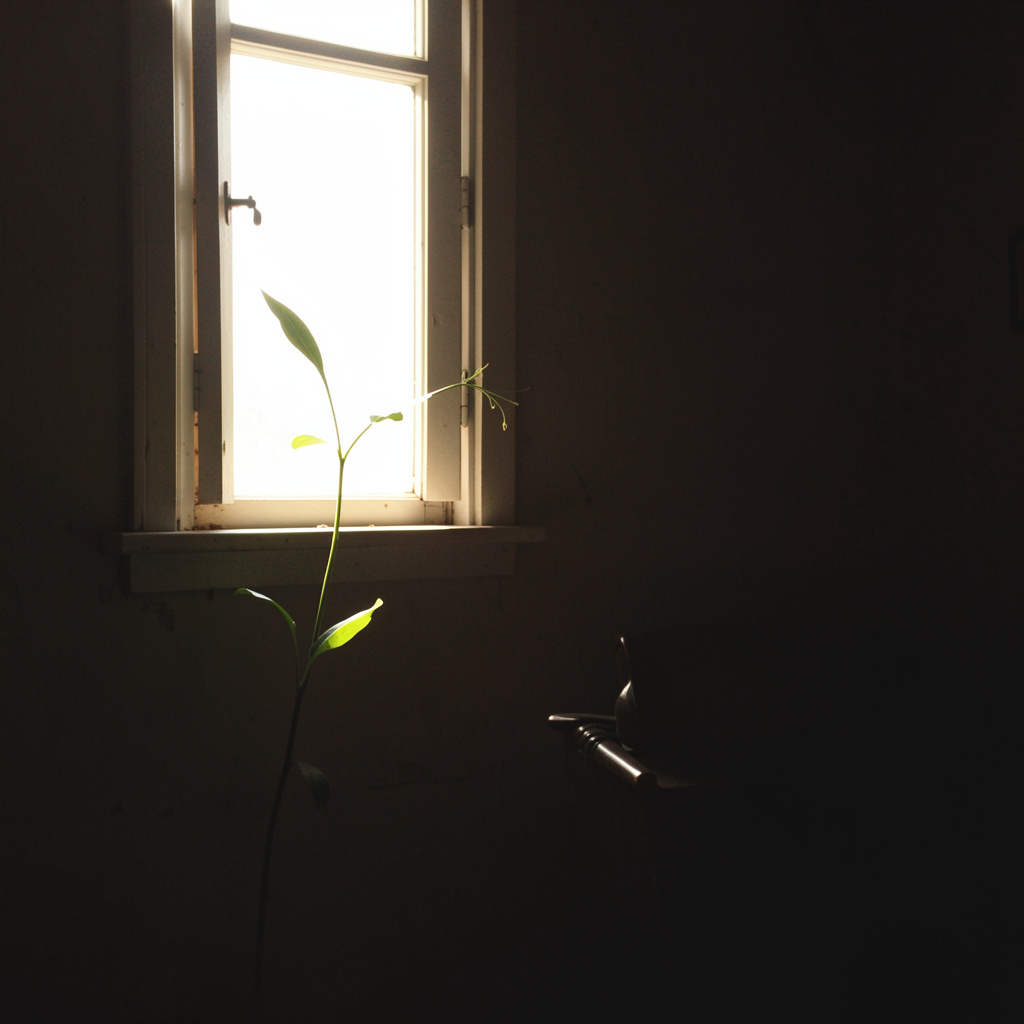
It's never too late to start therapy because the brain keeps changing; our grey matter is not as fixed as previously believed. The early 2000s saw the mainstreaming of neuroplasticity research that disrupted the myth of 18-year-olds “killing too many brain cells” at keggers, and started the Sudoku craze. The notion that new synaptic pathways can be formed and strengthened intentionally is a liberatory one: people can do neural workouts kinda like going to the gym. The process of cell turnover slows but doesn’t stop; neurogenesis persists into old age, gifting us more than 700 new brain cells a day at age 60.
Development continues throughout life, including psychological processing and emotional evolution – brains cannot be separated from bodies or emotions. Perhaps especially as people age, intentional revisions are in order as we redefine goals, possibly experiencing retirement, menopause, and loss of loved ones, of power. Meanwhile 50 is the new 40, they say, and 40 is the new 30 (in the same classroom with that same cohort, I lovingly took a shot at them – 20 is definitely the new 10, haha).
Beyond psychological and emotional dimensions, beginning a healing journey involves the spiritual, however defined. The sense of being too late to do something presupposes something one is meant to do, a purpose. An existential question is asked of every human being – even if all is lost and no difference can be made, it is asked of us until we die: After the Titanic had hit the iceberg, each person on board still had to decide what to do – who they were, or wanted to be. The one raiding the pantries or other passengers’ trunks? Silently holding their beloved in bed? Drowning in drink or playing violin on deck to comfort the ones helping others onto lifeboats – or ruthlessly securing a spot for themselves?
It’s never too late to ascribe chosen meanings to what happened to us, and to our own actions – to decide what our legacy will be, however small, however quiet. A therapeutic encounter lasting only for the last hour of a life could change everything. No matter what has come before, it is always possible to welcome a peace that says: it is okay to have been me. For things to have unfolded on their own time, exactly when they did.
Ready to explore more? Reach out today to start your journey.
This post offers general information for educational purposes. It is not therapy, does not replace individualized mental‑health care, and does not establish a therapeutic relationship. If you’re experiencing distress or need support, please connect with a qualified mental‑health professional in your area. If you are in immediate distress or at risk of harm, in Canada you can call or text 9‑8‑8 (Suicide Crisis Helpline) or call 9‑1‑1, and internationally you can visit FindAHelpline.com to locate free, confidential support services available in your specific country and language