
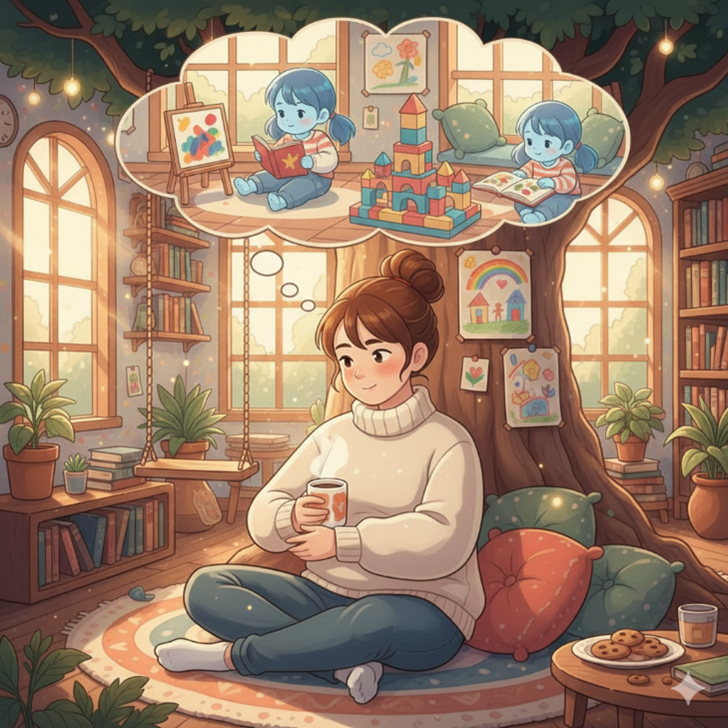
Meeting Your Inner Child: What It Is, Why It Matters, and How to Begin Healing
.jpg)
There are times that you may have noticed yourself reacting in ways that feel bigger than the moment — sudden waves of shame, fear, anger, or longing that don’t quite match what’s happening — you’re not broken, immature, or too sensitive. Those moments are invitations, and signals from apart of you that learned how to survive a long time ago.
This part of you is called the inner child. I’ve heard this part be described by clients as a younger version of themselves, stuck in the past, or throwing a tantrum. Childhood experiences shape your life, the reality is that there were things your caregivers couldn’t provide, and the now you have the chance to offer yourself what you didn’t receive when you needed it most.
Your inner child is a way of describing emotional, relational, and nervous system patterns formed in childhood that still live within you today. When you were young, your brain and body were learning constantly, and creating patterns about people, your environment, and yourself.
Patterns like:
· How safe the world is
· What love feels like
· Whether your needs matter
· How to get closeness
· What to do with big feelings
These lessons weren’t learned through words. They were learned through experience — through tone of voice, facial expressions, consistency, absence, presence, warmth, unpredictability, or neglect. Long before you had language, your nervous system was forming beliefs about what to expect from others and from yourself.
Your inner child holds:
· Early emotional memories, even ones you can’t consciously recall
· Attachment patterns
· Core beliefs like “I’m too much,” “I have to earn love,” or “My needs don’t matter”
· Feelings of joy, curiosity, fear, or grief, that may not have been welcomed or protected
This part of you didn’t disappear when you grew up. It adapted. It learned strategies to cope — pleasing others, staying quiet, staying in control, numbing out, being “strong,” or always being useful. Those strategies likely helped you survive. But they may no longer be serving you now.
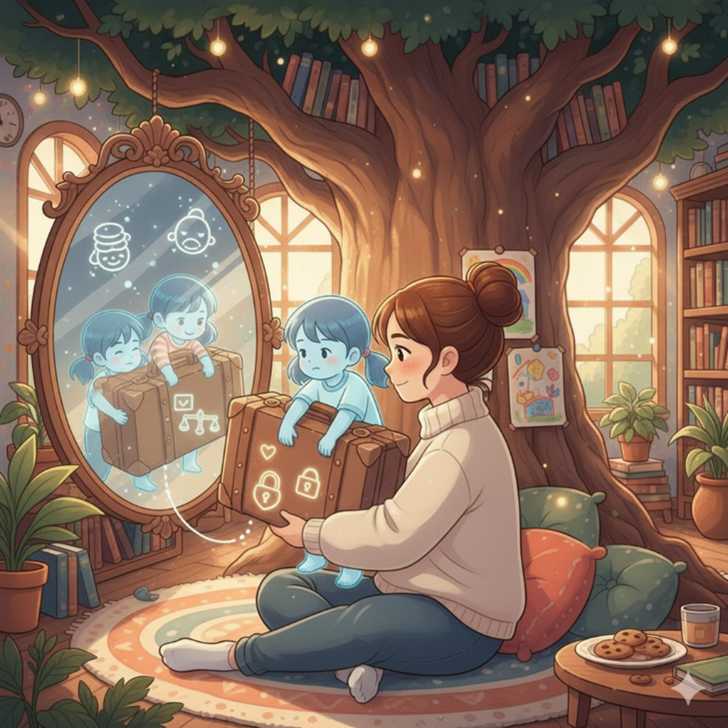
The inner child shows up in adult life as:
· Feeling deeply rejected by mild criticism
· Becoming flooded with shame after making a small mistake
· Struggling to ask for help, even when you need it
· Feeling panicky when someone pulls away
· People-pleasing at the expense of your own needs
· Shutting down emotionally during conflict
· Feeling “too much” or, conversely, invisible
These reactions aren’t flaws. They’re protective responses that once made sense. Your adult self may logically know that you’re safe, capable, and worthy. But your inner child is operating from an earlier time —one when safety, connection, or consistency may not have been guaranteed. Healing means learning how to listen to your inner child, understand it, and respond differently.
You may have been raised in environments that were well-intentioned but emotionally limited. You may have experienced overt trauma, or subtle, chronic emotional wounds that were never named. Inner child healing matters because these unhealed wounds tend to repeat themselves in your adult life. Bringing awareness to these patterns helps you get out of repetitive cycles.
Without awareness, you may:
· Seek relationships that recreate familiar dynamics
· Abandon yourself to maintain connection
· Suppress emotions until they erupt
· Confuse intensity with intimacy
· Feel chronically empty, anxious, or disconnected
When your inner child feels seen and supported, your nervous system begins to relax. You gain more choice in how you respond. You’re less driven by old fears and more guided by present-moment wisdom. This work isn’t about staying stuck in the past or blaming your caregivers, it is about acknowledging reality and having the chance to receive what was missing back then.
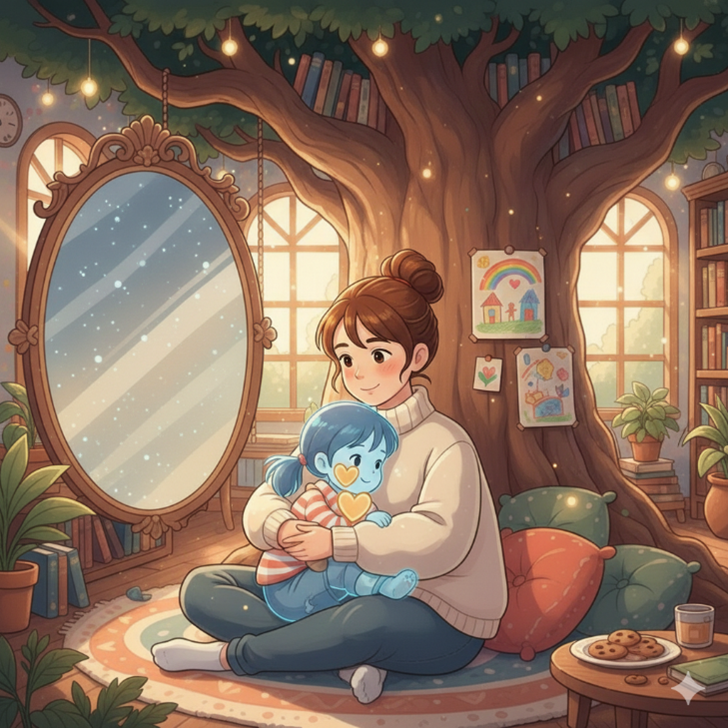
Inner child healing is about integration to let your adult self become a safe presence, to recognize when a younger part is activated, respond to yourself with compassion instead of criticism, and meet unmet needs in healthy ways.
Healing doesn’t require reliving everything that hurt you. It happens gradually, through moments of grieving what you didn’t receive, learning new boundaries, and allowing joy, play or rest without guilt. It is not a linear process, it unfolds in layers, and requires different approaches over time.
Questions you can ask yourself:
· Does this emotion feel bigger than the situation calls for?
· How old does this part of me feel right now?
· What do I need in this moment?
· What does this emotion or situation remind me of?
How to offer yourself the response you needed as a child:
· Of course you’re upset, that makes sense
· You don’t have to go through this alone
· You’re allowed to make mistakes
· I’m here, and I won’t leave
Sometimes you may need to “fake it until you make it” by telling yourself statements like this, but consistency matters more than conviction. Over time, your nervous system begins to recognize the safety in your tone, there will be a shift in your perception of yourself, and you learn that you can provide yourself the safety you needed growing up.
Often, underneath the anger, grief, shame, or hurt, there is often a little child that wants to play, to be creative, to be spontaneous, or to be joyful. When is the last time you played without having to be productive, were creative without having it evaluated, or rested without earning it? These could be things your inner child is longing for you to do in your adult life.
You could experience these through drawing, painting, coloring, dancing, spending time in nature, listening to music that moves you, or doing an activity just because it brings you joy. These experiences send a powerful message that it is safe to be here, and you don’t have to perform to belong. You are loved for being yourself.
These practices take time, and is okay if it feels uncomfortable at first. Sometimes connecting with the inner child brings up grief, anger, or confusion. This doesn’t mean you’re doing it wrong. It means you’re touching something real. You may notice resistance, numbness, self-judgement, overwhelm, or intensity. The good news is, this doesn’t need to be done alone.
In therapy, this work unfolds gently and at a pace your nervous system can tolerate. A therapist helps you notice when a younger partis activated, guiding you to respond with curiosity instead of criticism. Through consistent attunement and emotional safety, you begin to experience a different kind of relationship — one where your feelings are validated and your needs matter.
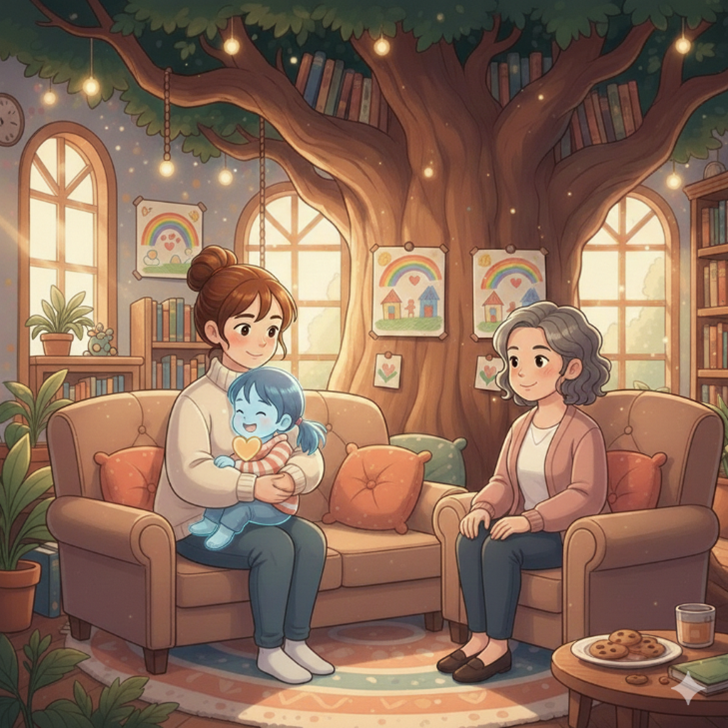
Over time, that steady support helps you internalize a new way of relating to yourself, so your adult self can become the safe presence your inner child has always needed. In my work as a spiritual psychotherapist, I walk beside you at a pace that feels safe and attuned, helping you uncover where your patterns originate and how they show up in your life today. I am happy to book a free consultation, so feel free to reach out today if you are ready to take that first step!
Together, we slow down enough to hear what your nervous system and inner child are communicating, and we build new ways of relating to your experience that support resilience, self-trust, and authentic self-connection. Healing happens through compassionate curiosity, body-mind awareness, and meaningful exploration of what truly matters to you.
This post offers general information for educational purposes. It is not therapy, does not replace individualized mental‑health care, and does not establish a therapeutic relationship. If you’re experiencing distress or need support, please connect with a qualified mental‑health professional in your area. If you are in immediate distress or at risk of harm, in Canada you can call or text 9‑8‑8 (Suicide Crisis Helpline) or call 9‑1‑1, and internationally you can visit FindAHelpline.com to locate free, confidential support services available in your specific country and language