
How to Find the Right Therapist: Understanding the Therapeutic Alliance
.jpeg)
Wondering how to find the right therapist? Learn what the therapeutic alliance is and why the therapist-client relationship plays a key role in effective therapy.
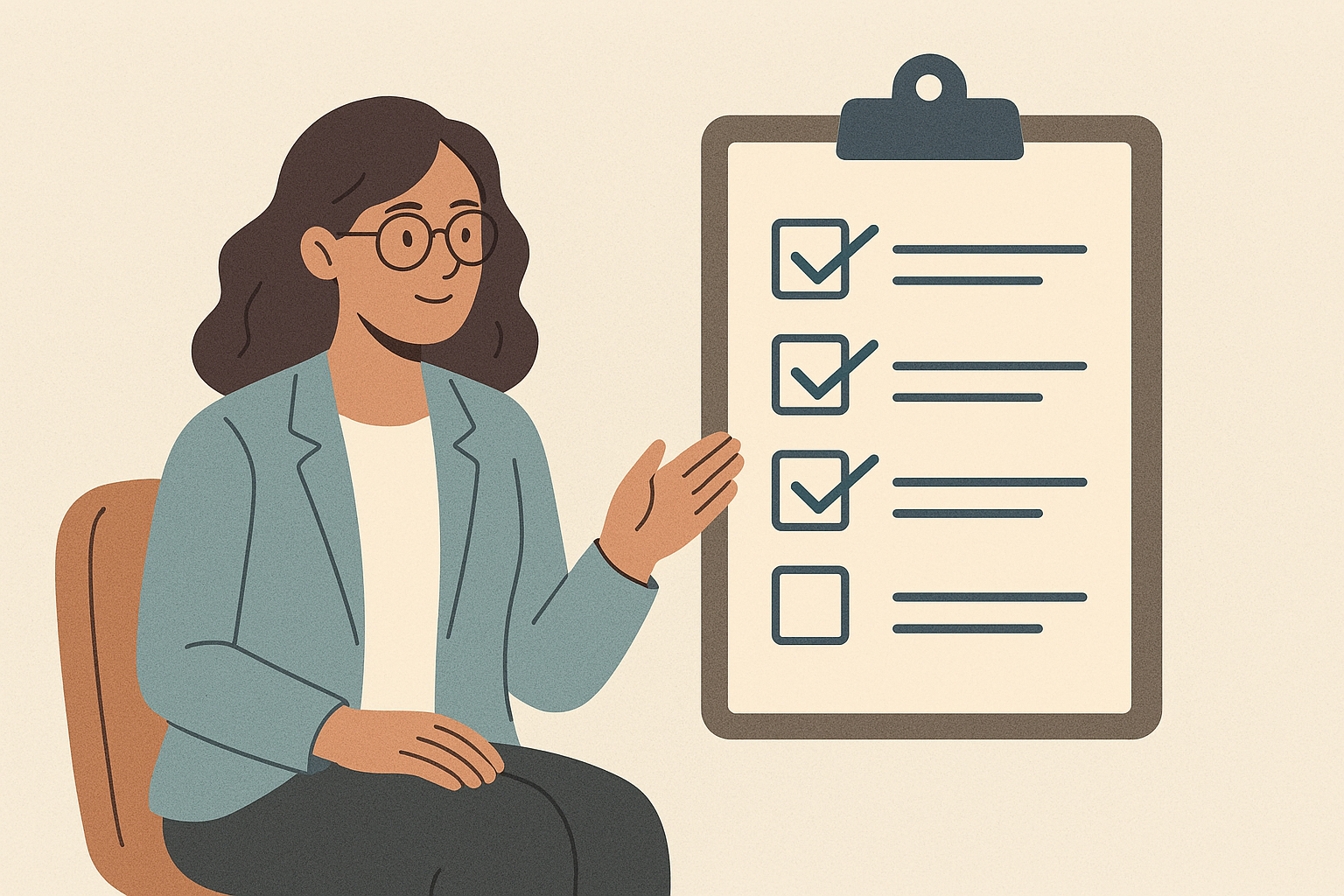
Someday we hope to find the one for us…and by the one I mean therapist of course!
Starting therapy is a meaningful step in caring for your wellbeing. It can feel intimidating and even vulnerable. But the right fit is out there, and understanding your needs can make the process feel much more manageable.
Why the Right Fit Matters
Your relationship with your therapist is often referred to as the therapeutic alliance. Research suggests that feeling comfortable with your therapist can support the therapeutic process by:
- allowing you to be open without fear of judgment
- creating a space where you can explore difficult thoughts and feelings
- helping you stay engaged and motivated
A strong therapeutic alliance can help build trust, which often creates the conditions for meaningful growth.
What Is the Therapeutic Alliance?
The therapeutic alliance refers to the working relationship between a therapist and client. Psychologists often describe it as having three parts: trust between therapist and client, agreement on the goals of therapy, and collaboration on the process of therapy.
Research consistently shows that a strong therapeutic alliance is one of the most important factors in successful therapy outcomes. When clients feel understood, respected, and supported, they are more likely to engage deeply in the therapeutic process.
How to Find the Right Therapist
Finding the right therapist often takes a bit of exploration. Many people start by reading therapist profiles, scheduling consultations, or asking questions about the therapist’s approach. It can be helpful to pay attention to both practical factors—such as availability, fees, and areas of expertise—and relational factors, such as whether you feel comfortable speaking openly with them.
What Are You Looking For?
Finding the right therapist starts with understanding what you hope to explore. Before scrolling through profiles, take a moment to reflect:
- Are you hoping to process difficult experiences?
- Are you looking for support with anxiety or stress?
- Are you wanting to build self‑esteem or explore identity?
Having a sense of your goals can help you identify the type of therapist or approach that may feel most supportive—whether you’re drawn to deeper emotional exploration or a more structured, skills‑focused style.
Cultural Connection and Identity Match
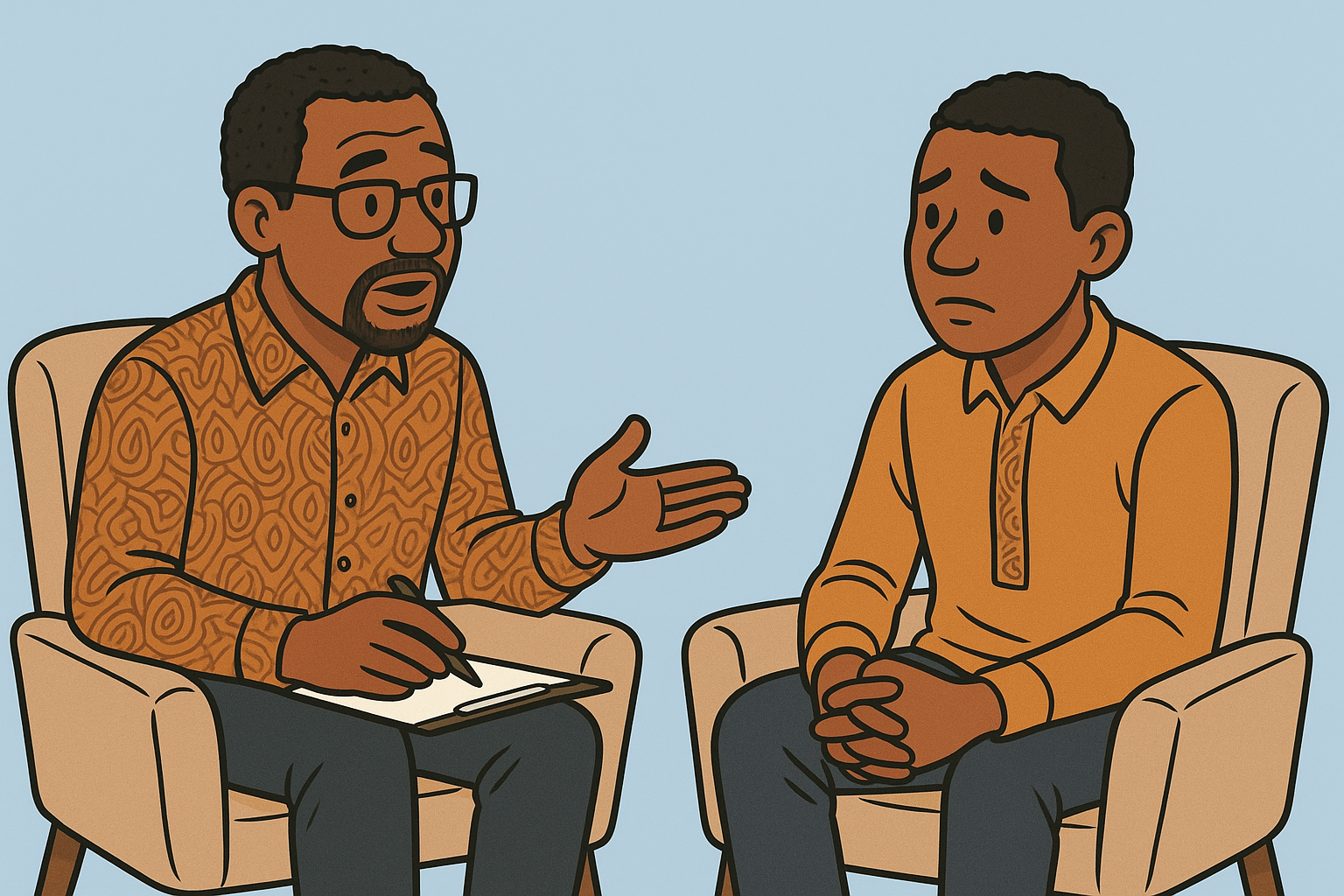
For some people, working with a therapist who shares aspects of their cultural background, language, or identity can help therapy feel more accessible or comfortable. This might include shared experiences related to immigration, race, sexuality, gender, religion, or values.
This isn’t being “picky”—it’s recognizing what helps you feel understood and grounded. A sense of cultural resonance can support trust and openness for many people.
Different Types of Therapy
Therapeutic approaches aren’t one‑size‑fits‑all. Here are a few commonly used modalities:
- Cognitive Behavioural Therapy (CBT) — explores the relationship between thoughts, emotions, and behaviours.
- Psychodynamic Therapy — focuses on how unconscious patterns and past experiences shape current emotions and behaviours.
- Eye Movement Desensitization and Reprocessing (EMDR) — supports people in processing distressing or overwhelming memories through a structured, guided approach.
These are just a few examples; many therapists integrate multiple approaches depending on your needs and preferences.
Is it the right fit?

Great! You found a therapist and have started your sessions…but is it the right fit? Pay attention to how you feel. Here’s some questions you might want to think to yourself:
Some reflective questions include:
- Do I feel listened to?
- Do I feel respected and safe?
- Do I feel comfortable being honest?
- Does this therapist seem to understand me?
- Do I like how they communicate?
- Does their approach make sense to me?
- Could I see myself opening up more over time?
- How does my body feel after sessions—more settled, or more tense?
The right fit isn’t about perfection. It’s about feeling safe enough to keep showing up
Signs You’ve Found the Right Therapist
While every therapeutic relationship is different, many people notice a few common signs when the fit feels right:
- You feel respected and listened to
- The therapist explains their approach clearly
- Sessions feel collaborative rather than judgmental
- You feel comfortable being honest, even about difficult topics
- The therapist encourages your autonomy and perspective
The right therapist doesn’t need to be perfect, but the relationship should feel safe enough for honest exploration.
When it doesn’t feel right
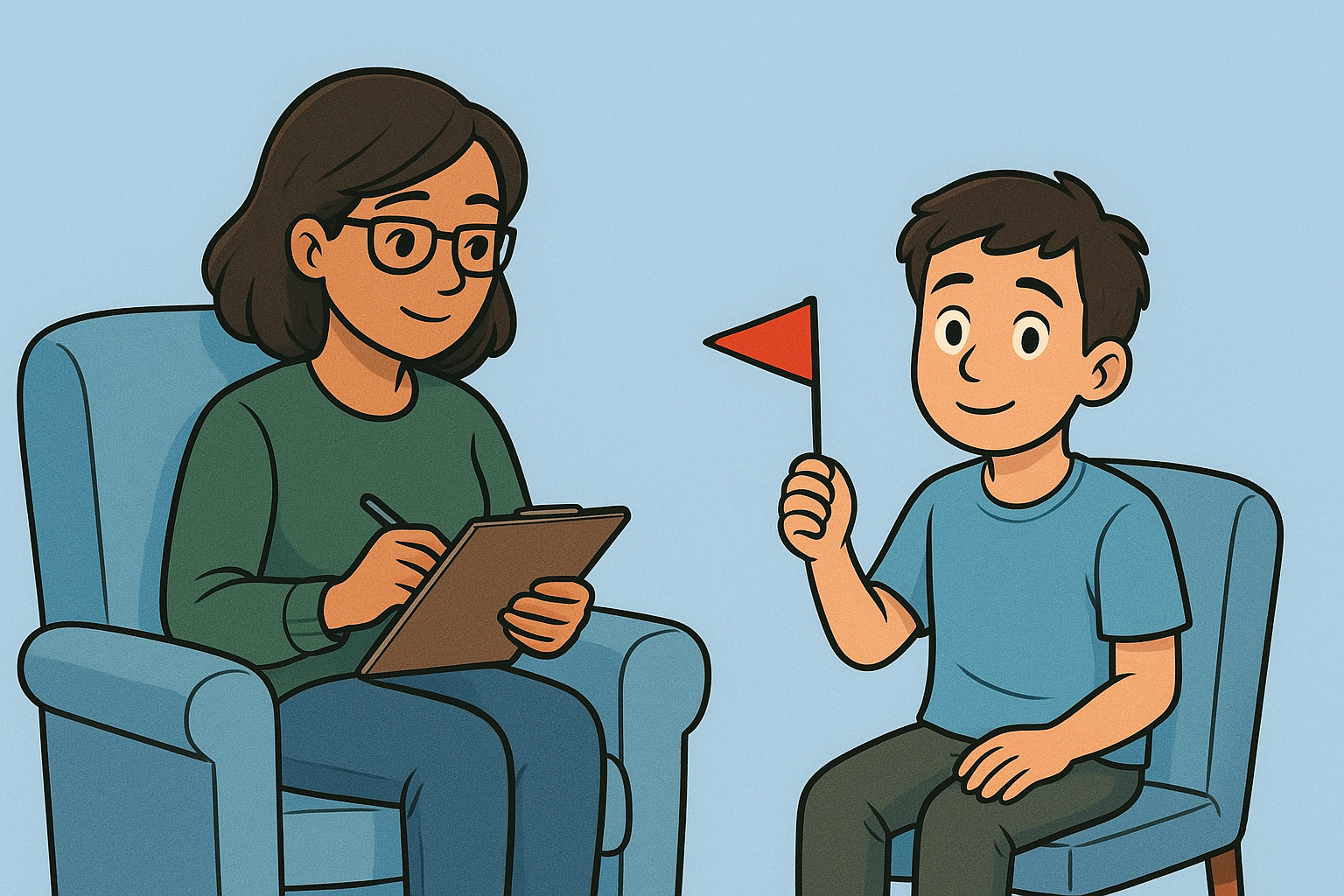
Sometimes the first therapist you meet isn’t the one you end up working with long‑term—and that’s okay. If you consistently feel misunderstood, dismissed, or uneasy, it may be a sign that the fit isn’t quite right.
Some people notice patterns that don’t feel supportive for them, such as:
- frequent interruptions
- difficulty feeling heard or understood
- a sense that the therapist is distracted
- conversations that feel more focused on the therapist than on you
If something consistently doesn’t feel right, it’s okay to explore other options. Switching therapists isn’t “giving up”—it’s advocating for yourself and your wellbeing.
Therapy Myth-Busters
Myth #1: A good therapist will tell me what to do.
Many therapists work collaboratively, helping you explore your feelings and make choices that feel right for you.
Myth #2: If it feels weird at first, they’re not the right fit.
Sometimes it takes time to feel comfortable. Early sessions can feel unfamiliar simply because the relationship is new.
Myth #3: Therapy is only for people in crisis.
People come to therapy for many reasons—growth, exploration, support, or simply wanting a space to reflect.
Myth #4: A therapist will fix me.
Therapy isn’t about being “fixed.” It’s about understanding yourself, building tools, and creating space for healing and change.
Conclusion
Finding the right therapist may take a few tries, but it’s worth the effort. A supportive therapeutic alliance can help you feel seen, understood, and able to grow at your own pace. Trust your intuition, while also ensuring the therapist is appropriately trained and licensed. ask yourself reflective questions and remember that it’s okay if you and a therapist don’t click right away. Exploring your options is part of the process—and finding the right fit can be the beginning of meaningful change
Disclaimer
This post offers general information for educational purposes. It is not therapy, does not replace individualized mental‑health care, and does not establish a therapeutic relationship. If you’re experiencing distress or need support, please connect with a qualified mental‑health professional in your area. If you are in immediate distress or at risk of harm, in Canada you can call or text 9‑8‑8 (Suicide Crisis Helpline) or call 9‑1‑1, and internationally you can visit FindAHelpline.com to locate free, confidential support services available in your region.
This blog was written by a psychology practicum student and reviewed by Amanda Carver, Registered Psychotherapist.
If you’re ready to explore, check out our therapists with Vistas Wellness and see if one of us is the right fit for you.