
Attachment Styles in Dating: Your Nervous System’s Relationship Script
.jpeg)
Attachment Styles in Adult Relationships

We hear the term “attachment style” a lot when talking about relationships. Maybe you’ve even taken an online quiz out of curiosity. The word “style” can sound like something we choose, but attachment patterns are shaped early in life as our nervous systems learn how to stay connected and safe. So what does attachment actually mean, and how might it show up in our adult relationships?
Attachment styles often shape how people experience closeness, conflict, and vulnerability in relationships. In dating, these patterns can influence how we respond to emotional intimacy, uncertainty, and perceived rejection. Understanding attachment styles in relationships can help explain why certain dating dynamics feel so familiar—and why some patterns repeat. From a nervous system perspective, attachment patterns often reflect how our bodies learned to respond to closeness and perceived threat in relationships.
This article explores where attachment theory comes from and how it can influence the way we approach closeness, conflict, and vulnerability
What Are Attachment Styles?
Attachment styles describe patterns of emotional expectations and behaviors people develop in close relationships. Psychologists typically identify four main patterns: secure, anxious, avoidant, and fearful. These patterns influence how people respond to intimacy, conflict, and emotional needs in relationships.
What Attachment Theory Describes
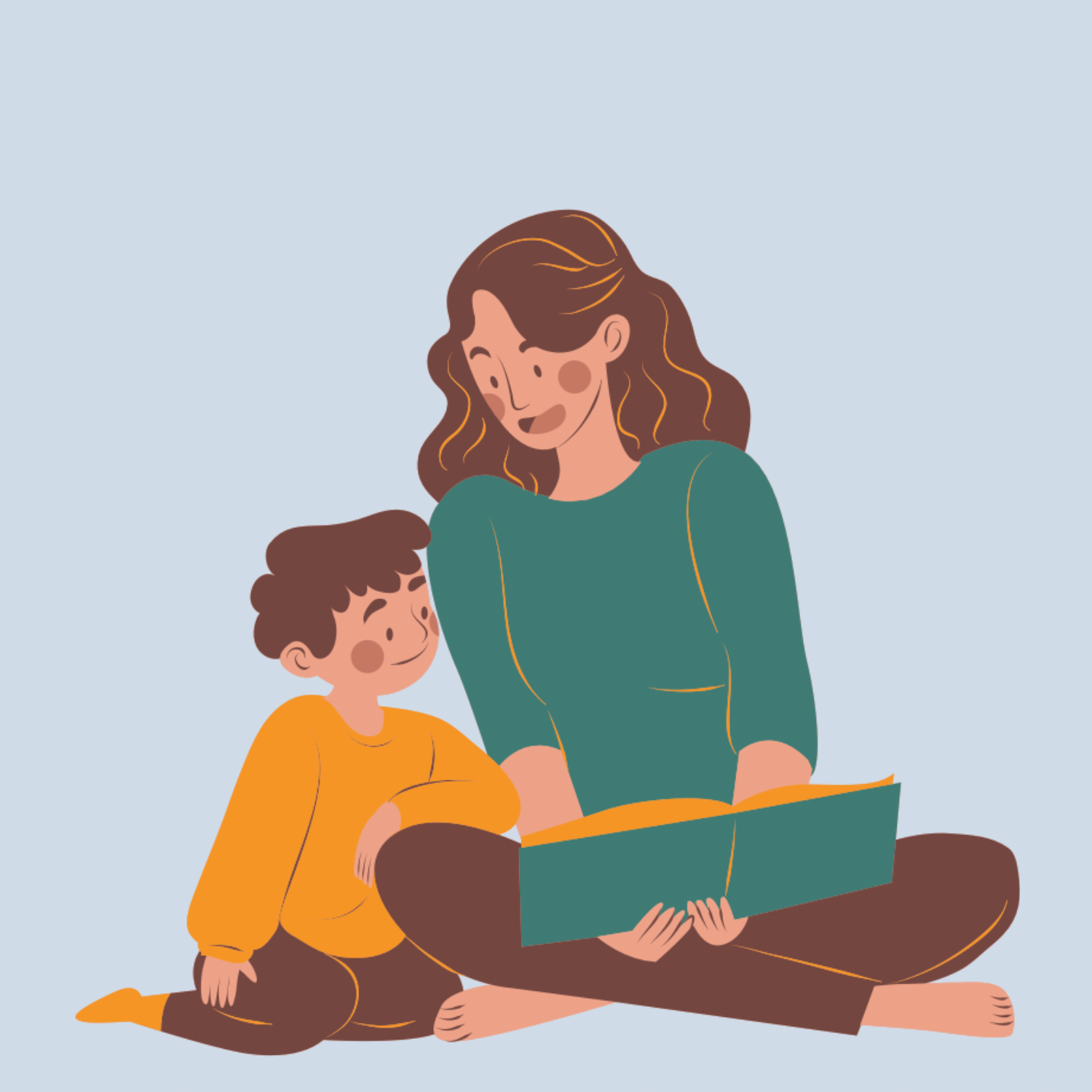
Attachment theory was developed by John Bowlby and Mary Ainsworth to describe how infants form emotional bonds with their primary caregivers. Their work explored how early relational experiences can shape expectations about connection throughout life.
Ainsworth’s “Strange Situation” studies identified three broad patterns in infants:
Secure Attachment
Often associated with caregivers who are consistently responsive. Children in these studies tended to show comfort with closeness and were able to seek support when needed.
Anxious Attachment
Often associated with inconsistent caregiving. Children in these studies showed heightened distress during separation and strong bids for closeness.
Avoidant Attachment
Often associated with caregiving that felt emotionally unavailable. Children in these studies tended to minimize bids for support and appeared more self‑reliant.
These patterns are descriptive—not diagnostic—and they exist on a spectrum. While these styles help us understand relational habits, they are not clinical diagnoses. If you are concerned about a formal attachment disorder, it is important to consult with a professional for a comprehensive clinical assessment.
A Modern Lens on Attachment
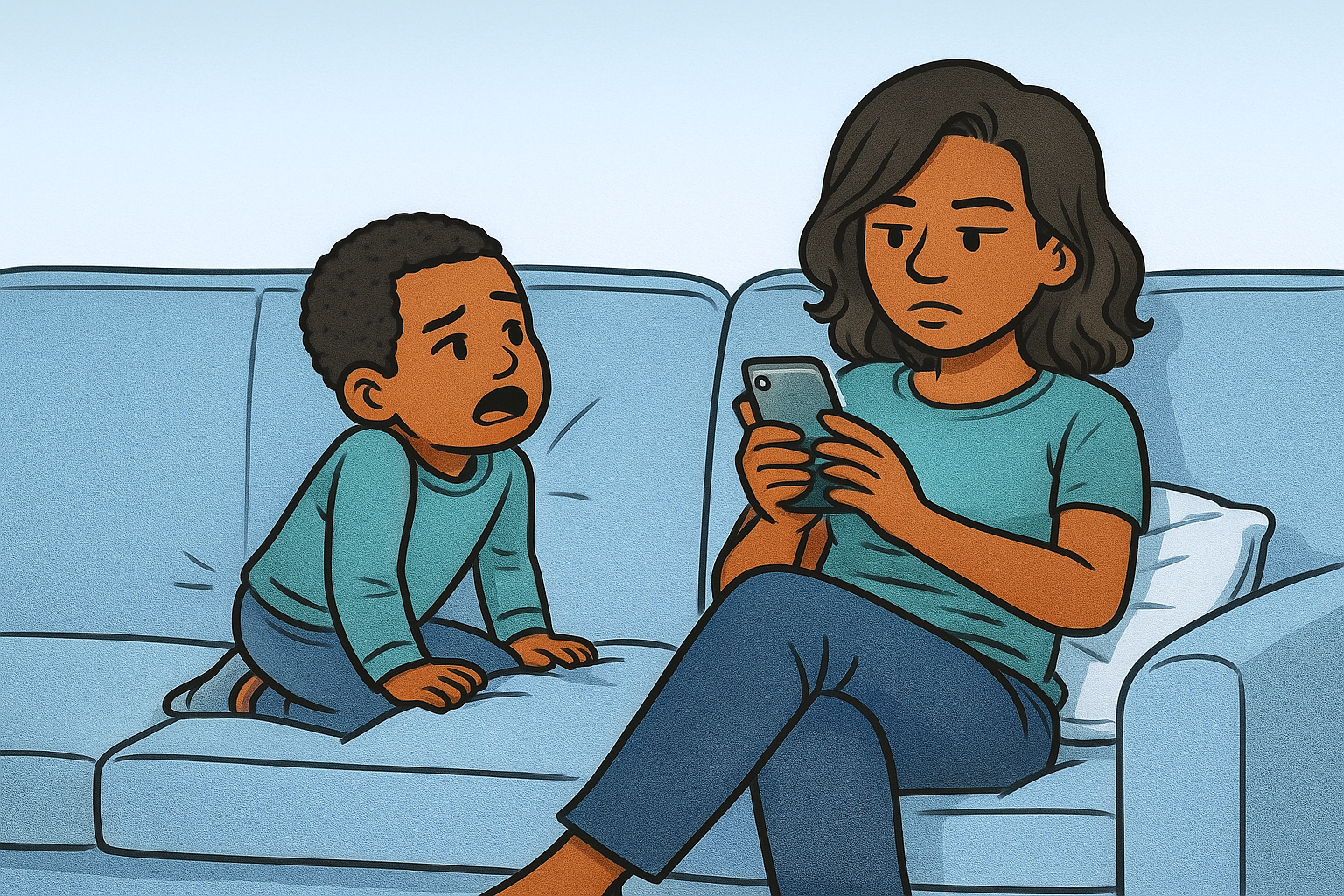
Many clinicians and researchers note that today’s fast‑paced, overstimulated environments can make attunement more challenging for caregivers. Small moments of distraction are normal and expected; it’s the overall pattern of responsiveness that matters. When connection feels harder to access, children may have fewer opportunities to practice co‑regulation, which can influence how they learn to relate to others
Attachment Patterns in Adult Relationships
Attachment patterns don’t determine our future, but they can influence how we respond to closeness and conflict. Some people stay calm during disagreements, while others may feel overwhelmed or shut down. These responses can reflect early relational learning.
Secure
People with secure patterns often find it easier to stay grounded during conflict. They may interpret disagreements as manageable rather than threatening.
Anxious
People with anxious patterns may experience conflict as more intense or personal. They may worry about the future of the relationship or fear disconnection.
Avoidant
People with avoidant patterns may cope by withdrawing or minimizing the importance of the conflict, which can make resolution harder.
These are tendencies—not fixed traits—and people often move between patterns depending on context, partner, and stress level.
Bartholomew’s Four-Category Model
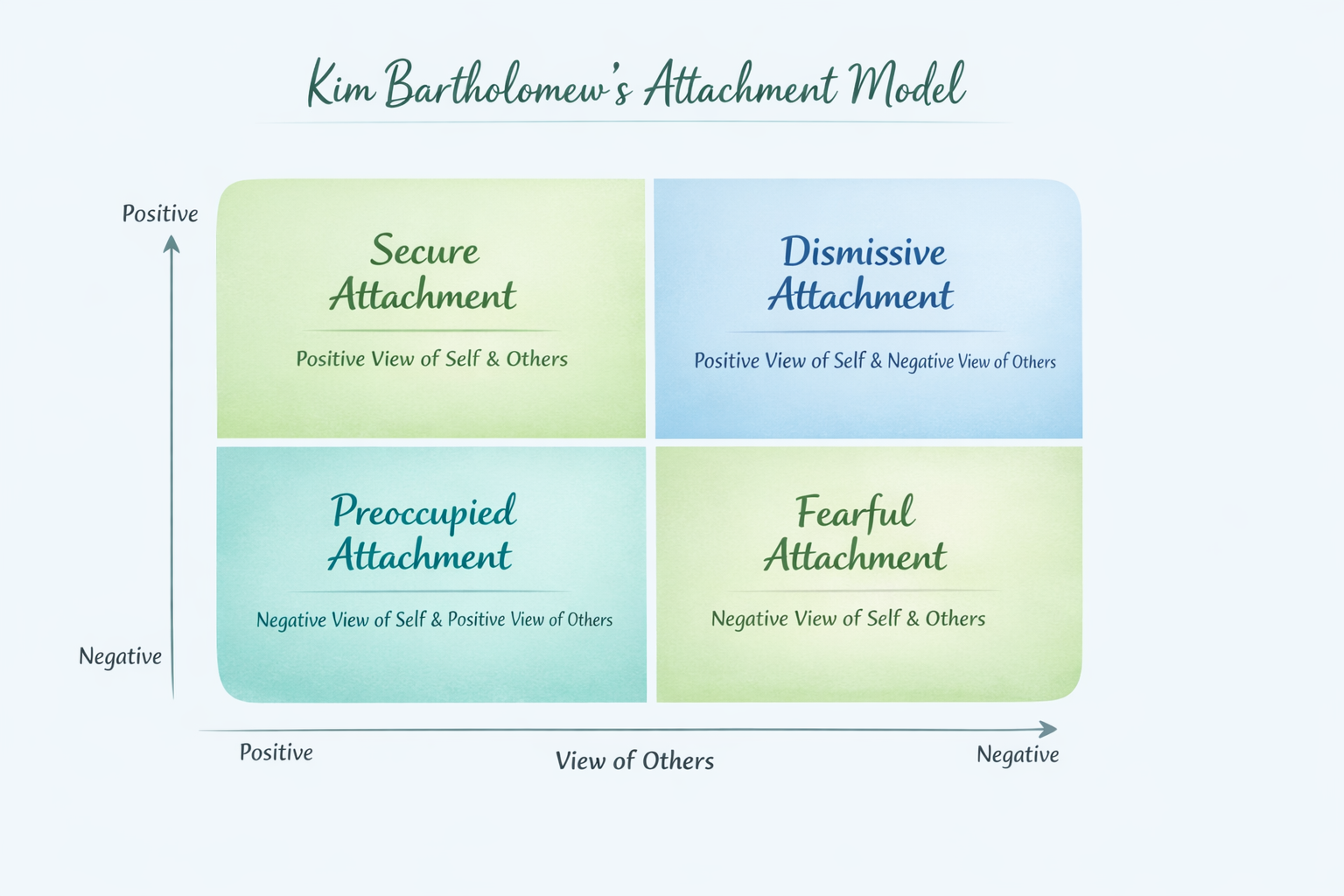
Kim Bartholomew expanded attachment theory into a two‑dimensional model based on views of self and others:
- Secure (positive self, positive other) — comfort with intimacy and autonomy
- Preoccupied (negative self, positive other) — strong desire for closeness paired with worry about worthiness
- Dismissive (positive self, negative other) — self‑reliance and discomfort with dependence
- Fearful (negative self, negative other) — desire for closeness mixed with fear of rejection
These categories describe patterns of relating, not personality types.
How Attachment Styles Show Up in Dating
Attachment patterns often shape how we approach dating—especially in the early stages of connection, vulnerability, and uncertainty. While these patterns aren’t fixed or diagnostic, they can offer insight into how we respond to closeness, ambiguity, and emotional risk.
Here’s a gentle overview of how different attachment styles may show up in dating dynamics:
- Secure Attachment — Comfortable with both closeness and independence. These daters tend to communicate openly, respect boundaries, and navigate uncertainty with curiosity rather than fear.
- Anxious Attachment — May seek frequent reassurance and worry about being abandoned or misunderstood. These daters might overanalyze messages or feel heightened distress during periods of emotional ambiguity.
- Avoidant Attachment — Often values independence and may pull back when relationships deepen. These daters might feel overwhelmed by emotional intensity or prefer slower pacing when building closeness.
- Fearful Attachment — Desires connection but also fears rejection or hurt. These daters may feel conflicted—wanting intimacy but struggling to trust it fully.
For some people, early family roles such as parentification can also shape attachment patterns and conflict styles later in life.
These patterns are not personality types or fixed traits. Many people find that with awareness, reflection, and supportive relationships, their dating experiences begin to feel more secure and grounded.
Attachment patterns don’t only influence romantic relationships — they can also shape how people cope with stress and addictive behaviours.
Can Attachment Patterns Change?
Attachment styles are patterns learned through early relationships, but they are not fixed. Through supportive relationships, therapy, and self-reflection, many people gradually move toward more secure patterns of connection. Here are some mechanisms which may serve to shift attachment style with time
Increasing Awareness
Understanding your patterns can help you notice triggers and relational habits. Some people explore reflective tools online, though these are not clinical assessments.
Emotional Regulation
Learning strategies to soothe heightened emotions can support more grounded responses during conflict.
Building Self‑Worth
Developing a more stable sense of self can reduce fears of rejection and the need for constant reassurance.
Therapy
Therapy can offer a space to explore relational patterns, understand how they developed, and experiment with new ways of connecting. While therapy cannot guarantee specific outcomes, many people find it helpful in increasing security over time.
Understanding attachment styles in relationships can help people recognize patterns that show up in dating, conflict, and emotional closeness. While these patterns often develop early in life, they are not fixed. With awareness, supportive relationships, and sometimes therapy, many people gradually develop more secure ways of connecting.
If You’d Like Support
If you’re starting to notice your attachment patterns and how they show up in your relationships, working with a trained therapist can offer a supportive space to explore these dynamics with more clarity and compassion. Many people find that understanding their attachment style—whether anxious, avoidant, secure, or somewhere in between—helps them make sense of recurring relationship patterns and begin shifting them in meaningful ways.
If you’re curious about exploring your attachment style, relationship patterns, or emotional responses in a therapeutic setting, our psychotherapists at Vistas Wellness offer support for individuals and couples across Ontario. You’re welcome to book a free 15‑minute consultation to see whether one of our therapists feels like the right fit for you.
Disclaimer
This post is for general educational purposes only. It is not therapy, does not replace individualized mental‑health care, and does not establish a therapeutic relationship. If you’re experiencing distress or need support, please reach out to a qualified mental‑health professional in your area. If you are in immediate distress or at risk of harm, in Canada you can call or text 9‑8‑8, and internationally you can visit FindAHelpline.com for free, confidential support.
Written by a student contributor and reviewed by a Registered Psychotherapist.
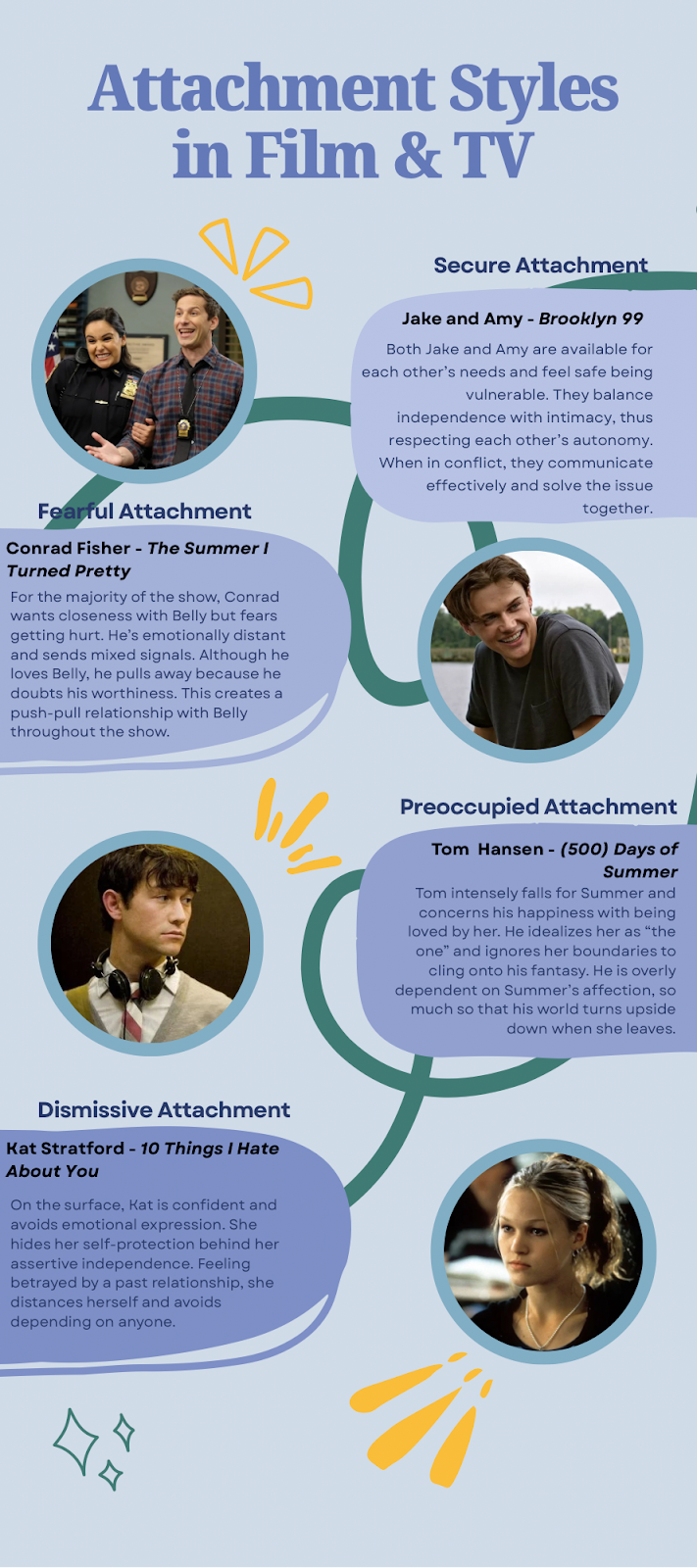
How Attachment Styles Show Up in Dating
Here are a few fictional funs ways to show how attachment styles could show up dating:
Citations
- Bretaña, Alonso-Arbiol, Recio & Molero (2022), Avoidant Attachment, Withdrawal-Aggression Conflict Pattern, and Relationship Satisfaction
- Bahou, C. (2023, September 26). How to fix an anxious attachment style.
- Medical News Today. https://www.medicalnewstoday.com/articles/how-to-fix-anxious-attachment-style?utm_source
- Griffin, D. W., & Bartholomew, K. (1994). Models of the self and other: Fundamental dimensions underlying measures of adult attachment.Journal of Personality and Social Psychology: Interpersonal Relations and Group Processes, 67(3), 430-445. https://doi.org/10.1037/0022-3514.67.3.430
- McLeod, A. (2025, April 20). John Bowlby’s attachment theory. Simply Psychology. https://www.simplypsychology.org/bowlby.html